
After decades in medicine, one truth has become impossible to ignore: most of the conditions that shorten life don’t begin sudden. They build slowly, through small changes in metabolism, blood pressure, inflammation and recovery, long before symptoms appear.
Cardiovascular disease, stroke, type 2 diabetes, dementia, cancer, immune dysfunction: different names, same biology. They are not random events. They are patterns, predictable, measurable, and, in many cases, reversible.
The power of longevity medicine lies in seeing those patterns early and acting before the damage is done.
The common biology behind different diseases.
When you trace disease back to its roots, the same pathways appear again and again:
Metabolic drift: cells lose sensitivity to insulin; energy balance unravels.
Vascular ageing: arteries stiffen; oxygen delivery falters.
Chronic inflammation: the immune system stays switched on, eroding healthy tissue.
Oxidative stress: repair can’t keep pace with cellular wear.
Loss of muscle and microbiome diversity: our two greatest buffers against ageing quietly decline.
Each of these mechanisms can be measured and changed.

The quiet beginnings of modern illness
The heart and brain:
one circulation, one destiny.
Heart disease and dementia are often treated separately, yet they share the same roots: metabolic instability and vascular decline.
Every heartbeat is a message to the brain. Every walk, every balanced meal, every night of restorative sleep improves both.
Keeping blood pressure around 120/80, fasting glucose near 5 mmol/L, and inflammation (CRP) under 1 are simple targets that extend protection across decades.
What safeguards the arteries safeguards memory, mood, and cognition.
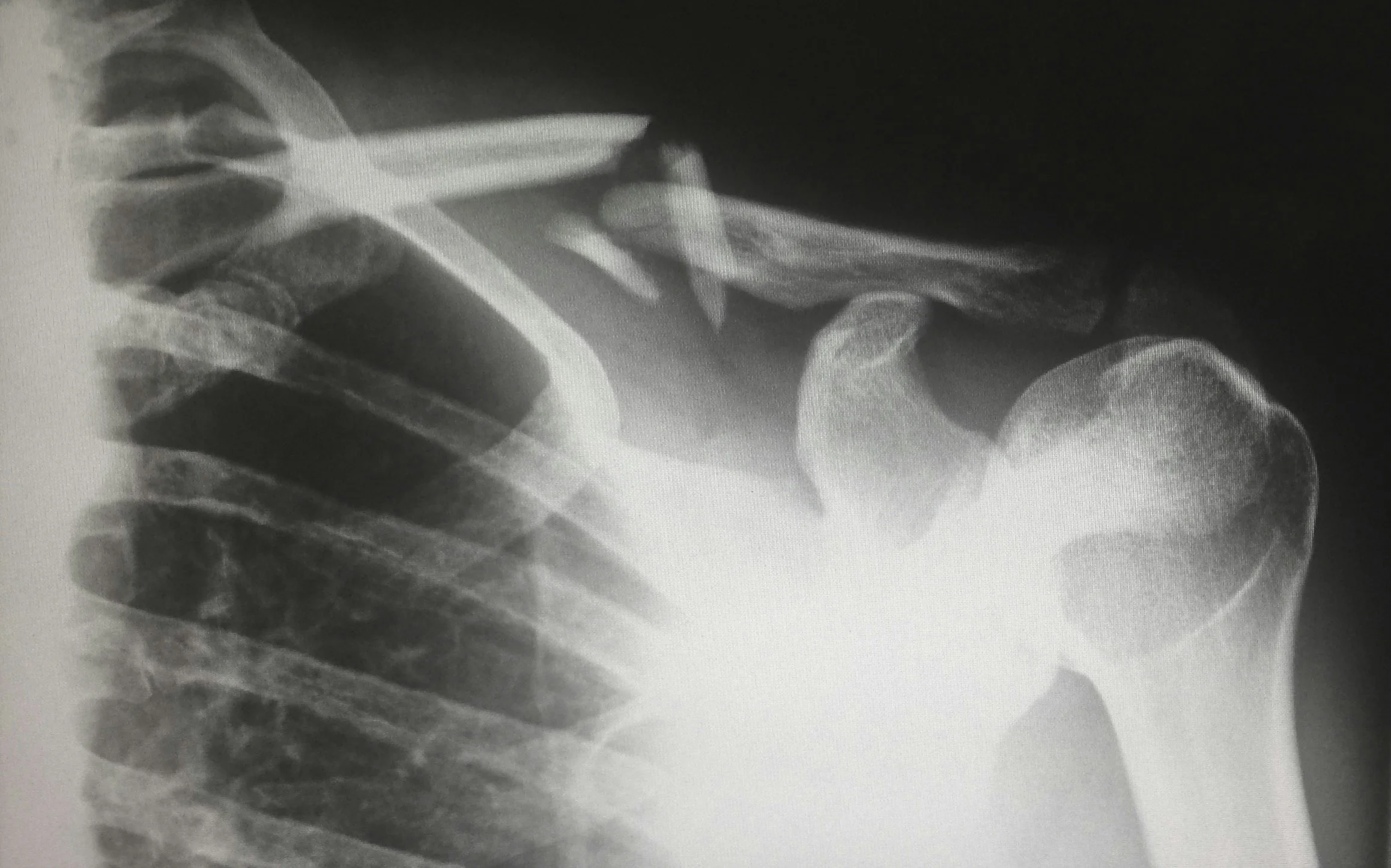
How to prevent the following risks
Type 2 diabetes: the slow engine of ageing
Type 2 diabetes doesn’t begin with sugar; it begins with years of subtle insulin resistance.It is also one of the most reversible conditions in medicine.
The prescription is behavioural precision, not restriction:
Build and maintain muscle, your largest glucose sink.
Eat in rhythm, earlier in the day, less at night.
Prioritise whole, high-fibre foods.
Sleep consistently; one poor night impairs insulin sensitivity by up to 30 %.
Correcting these patterns early can prevent decades of disease.
Cancer:
the environment within
Cancer grows where the biological terrain allows it.
We can’t eliminate risk completely, but we can change the environment in which mutations live or die.
Maintain a healthy waist circumference and body composition
Keep chronic inflammation low through nutrition and rhythm
Limit alcohol, eliminate smoking
Support detoxification through fibre, cruciferous vegetables, and hydration
Protect circadian rhythm, disrupted sleep impairs DNA repair
Prevention is not about fear; it’s about stewardship.
Immunity: strength through balance
A strong immune system isn’t one that attacks; it’s one that regulates.
Over- activation leads to inflammation; under- activation leaves us vulnerable.
Balance is built through:
Adequate sleep
Microbiome diversity from fibre and fermented foods
Regular, moderate exercise
Stress regulation through breath, light, and connection
Most immune dysfunction isn’t random, it’s rhythmic disruption made visible.
Dementia: prevention begins years before symptoms
Cognitive decline is not an isolated brain problem, it’s a systemic one.
The brain depends on stable blood sugar, oxygen, and nutrient delivery. When those falter, neurons suffer.
Protecting cognition means protecting circulation and metabolism:
Regular aerobic activity
A mediterranean style diet rich in olive oil, fish, vegetables, and fermented foods
Deep, consistent sleep for nightly toxin clearance
Lifelong learning and social connection, mental exercise is biological protection
The unglamorous foundations that matter most
Across decades of research, a few habits consistently reduce risk across every major disease:
Sleep: restores metabolic and immune stability.
Nutrition: real food, stable glucose, sufficient protein, plant diversity.
Movement: resistance for muscle, endurance for circulation.
Stress rhythm: balance intensity with recovery.
Connection: community, purpose, curiosity.
They’re simple, measurable, and powerful, the closest thing medicine has to a universal prescription.
Prevention rarely feels urgent. But in Longevity Medicine, it is the most transformative act of all.
Every stable reading of blood pressure, every balanced meal, every consistent week of movement is not maintenance, it’s active repair.
These small, repeated decisions reshape the biological terrain in which disease takes root.
Ageing is inevitable. The rate of ageing is not.
Healthspan is a skill, one that can be learned, measured, and refined.
Reframing prevention
“I’ve seen how quickly the body can change direction once given the right inputs.
Metabolism stabilises, inflammation settles, clarity returns. The system remembers how to heal. There’s something profoundly hopeful in that. Because it means our future health isn’t waiting for new drugs or breakthroughs, it’s waiting for consistency, data, and a daily respect for how adaptable we still are.
That’s the real work of longevity: not escaping ageing, but rewriting its pace.”